Surfbars: Elevating Urban and Sportswear Designs with Brushed Typography
In the competitive world of graphic design, particularly within the streetwear and athletic industries, visual impact is everything. Consumers are drawn to designs that communicate energy, movement, and authenticity instantly. This is where typography plays a pivotal role, acting not just as text but as a primary visual element. Among the various typefaces available to designers, Surfbars has emerged as a distinctive choice for those aiming to capture a cool, brushed, and urban aesthetic. Whether you are designing a new clothing line, creating promotional materials for a sports event, or crafting a bold logo, understanding how to leverage specific font styles can significantly enhance your brand's appeal.
Understanding the Surfbars Aesthetic
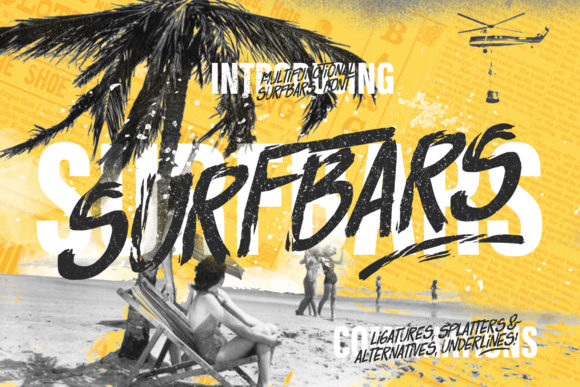
To appreciate the utility of Surfbars, one must first understand its visual language. As the name suggests, this font draws inspiration from the fluidity and texture of surf culture, combined with the raw, gritty edge of urban street art. It is characterized by a "brushed" effect, meaning the letterforms mimic the strokes of a paintbrush or a marker applied quickly to a surface. This results in a look that is imperfect yet intentional, conveying a sense of motion and human touch that clean, geometric sans-serifs often lack.
The "urban" aspect of Surfbars refers to its ability to fit seamlessly into city-centric environments. It echoes the graffiti on subway walls, the stencils on warehouse doors, and the energetic vibe of skate parks. For designers, this means that Surfbars is not merely a decorative option; it is a storytelling tool. It tells the viewer that the brand behind the design is active, modern, and connected to youth culture. By choosing a font with these inherent characteristics, designers can immediately establish a tone of rebellion, freedom, and athleticism without needing additional imagery to explain the concept.
Addressing Common Design Challenges in Sportswear
Designers working in the sportswear and apparel sectors often face a specific set of challenges. The market is saturated with generic templates and overused typefaces. When a customer scrolls through an online store or walks past a retail display, they are bombarded with thousands of logos and t-shirt designs. Standing out requires more than just a catchy slogan; it requires a typographic identity that feels fresh and dynamic.
One common challenge is balancing readability with style. Many artistic fonts sacrifice legibility for aesthetics, making them difficult to use for main headlines or product names. Conversely, standard fonts can feel too corporate or sterile for a brand trying to project an edgy image. Surfbars addresses this dilemma by offering a middle ground. While it features a stylized, brushed appearance, its structure remains robust enough to be read clearly, even at smaller sizes or when viewed from a distance. This makes it highly practical for applications like jersey numbers, back-print text on t-shirts, and large-scale banners.
Practical Applications and Outcomes
The versatility of Surfbars allows it to be deployed across a wide range of media, each offering unique opportunities for creative expression. Below are some of the most effective ways designers and brands are utilizing this font to achieve specific outcomes.
- T-Shirt and Apparel Graphics: In the realm of fashion, text is often the central graphic. Surfbars works exceptionally well for oversized prints on hoodies, tees, and tank tops. The brushed texture adds depth to the print, making it look less like a flat digital imposition and more like a physical application of ink. This tactile quality resonates with consumers who value authenticity in their clothing choices.
- Sportswear Logos and Branding: Athletic brands need to convey power and speed. The dynamic slant and irregular edges of Surfbars create a sense of forward momentum. When used for logos, especially in combination with bold colors like neon green, electric blue, or stark black and white, the font helps build a brand identity that feels aggressive yet stylish. It is particularly effective for niche sports brands focusing on surfing, skating, or urban running.
- Advertisements and Social Media Campaigns: In the fast-paced environment of social media, attention spans are short. A headline using Surfbars grabs the eye due to its unique texture. It breaks the monotony of standard web fonts, encouraging users to pause and engage with the content. For limited-edition drops or flash sales, the urgency conveyed by the rough, hand-painted look can drive higher click-through rates.
- Event Posters and Flyers: For local events, music festivals, or sports tournaments, posters need to communicate energy quickly. Surfbars provides a ready-made backdrop of excitement. It pairs well with photographic elements, allowing the text to overlay images of athletes or landscapes without clashing, thanks to its organic shape.
Strategic Implementation Tips
While Surfbars is a powerful tool, its effectiveness depends on how it is implemented. To get the most out of this font, consider the following strategic approaches:
- Pairing with Complementary Fonts: Because Surfbars is visually heavy and textured, it should be paired with simpler fonts for body text or secondary information. A clean, minimal sans-serif can provide the necessary contrast, ensuring that detailed information (like dates, locations, or pricing) remains easy to read while the headline delivers the emotional punch.
- Color Psychology: The brushed effect of Surfbars interacts differently with various color palettes. For a classic urban look, stick to monochromatic schemes with high contrast, such as black text on white backgrounds or vice versa. For a more vibrant, sporty feel, experiment with gradients or neon accents that highlight the texture of the letters. Avoid overly busy patterns behind the text, as the complexity of the font may clash with complex backgrounds.
- Texture and Layering: To fully exploit the "brushed" nature of the font, designers can add subtle textures or noise overlays to the text layer. This enhances the gritty, authentic feel and prevents the design from looking too digital or polished. However, care must be taken not to obscure the letterforms, as readability remains paramount.
Who Should Use Surfbars?
This font is particularly suited for freelance graphic designers, small business owners in the apparel industry, and marketing professionals targeting younger demographics. If your goal is to create a brand that feels accessible, energetic, and culturally relevant, Surfbars offers a straightforward solution. It eliminates the need for complex custom lettering in many cases, saving time while still delivering a high-end, bespoke look.
Furthermore, it appeals to businesses that want to avoid the "corporate" feel of traditional serif or sans-serif fonts. By choosing Surfbars, you are making a deliberate statement about your brand's personality. You are signaling that you are part of the culture, not just observing it from afar. This alignment between visual style and brand ethos is crucial for building loyalty among consumers who prioritize authenticity.
Conclusion
In conclusion, Surfbars is more than just a font; it is a stylistic asset that brings immediate character to any design project. Its brushed, urban aesthetic solves the common problem of blandness in sportswear and streetwear graphics. By understanding its strengths and applying it strategically—through thoughtful pairing, color selection, and texture enhancement—designers can create compelling visuals that resonate with their audience. Whether you are launching a new clothing line or redesigning an existing brand, incorporating Surfbars can help you stand out in a crowded marketplace, delivering a message of energy, style, and urban sophistication.