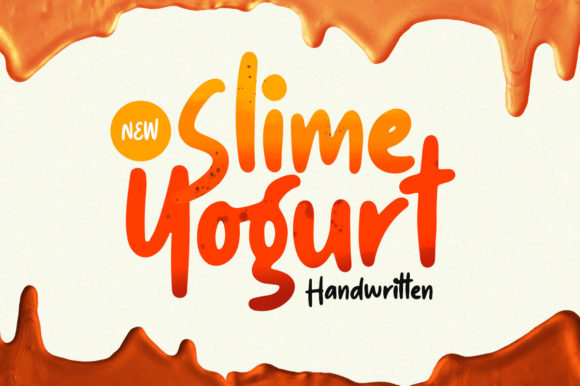
Slime Yogurt Font Review: A Playful Display Typeface for Modern Brands
In the landscape of digital typography, finding a font that balances whimsy with professional polish is often a challenge. Many decorative typefaces lean too heavily into novelty, sacrificing legibility and brand authority for the sake of being "cute." Slime Yogurt, however, occupies a distinct niche within the display font category. It presents itself as a simple, adaptable, and visually appealing typeface designed to inject a fun and friendly touch into design projects without overwhelming the viewer.
This review evaluates Slime Yogurt based on its aesthetic qualities, practical application, versatility across mediums, and suitability for various professional contexts. Whether you are a freelance graphic designer, a small business owner crafting marketing materials, or an educator creating engaging content, understanding the specific utility of this font can help determine if it aligns with your visual identity goals.
Understanding the Design Philosophy
At first glance, Slime Yogurt appears to be a rounded, sans-serif display font. The name itself suggests a texture—smooth, slightly viscous, and approachable—which is reflected in the letterforms. The characters feature soft edges and uniform thickness, avoiding the sharp angles typical of geometric sans-serifs or the high-contrast strokes of serif fonts. This design choice is intentional; it creates a sense of comfort and accessibility.
The font’s primary strength lies in its simplicity. It does not rely on complex ligatures, intricate swashes, or excessive stylistic alternates to stand out. Instead, it depends on its clean silhouette and friendly proportions. This makes it particularly effective for headlines, logos, and short bursts of text where immediate visual impact is required. By keeping the design uncluttered, Slime Yogurt ensures that the message remains the focal point, rather than the typography itself.
Key Characteristics and Visual Appeal
When analyzing the technical and aesthetic features of Slime Yogurt, several key characteristics emerge that define its character:
- Rounded Geometry: The letters are constructed with consistent curvature, giving them a bubbly yet controlled appearance. This geometry helps soften the tone of any text, making it feel less corporate and more human-centric.
- Clean Lines: Despite its playful nature, the font maintains clean lines. There is no unnecessary ornamentation or noise in the glyph shapes. This cleanliness is crucial for ensuring the font looks modern rather than dated.
- High Legibility: For a display font, readability is paramount. Slime Yogurt offers good spacing and clear differentiation between similar characters (such as 'o' and '0', or 'l' and '1'), which aids in quick comprehension by the reader.
- Adaptable Weight: While primarily designed as a display typeface, its medium weight allows it to hold its own against bolder sans-serifs in certain layouts, provided it is not used for dense body copy.
The visual appeal of Slime Yogurt is subjective but generally leans towards the positive spectrum for brands seeking a youthful, energetic, or creative persona. It avoids the pitfalls of being overly childish by maintaining a level of structural integrity that appeals to adult audiences, including professionals and entrepreneurs who want to appear approachable without losing credibility.
Practical Applications and Use Cases
Determining where Slime Yogurt fits best requires an understanding of its strengths as a display font. It is not intended for long-form reading. Using it for paragraphs of text would likely result in eye strain and reduced engagement due to the repetitive rounded shapes. However, in targeted applications, it excels.
Branding and Logo Design
One of the most significant use cases for Slime Yogurt is in logo creation and brand identity systems. Its unique shape can serve as a memorable visual hook. For businesses in the food and beverage industry—particularly those dealing with dairy, desserts, snacks, or health-conscious products—the font’s name and style create a subconscious association with freshness and taste. Even for non-food brands, such as children’s education platforms, pet care services, or creative agencies, the font conveys warmth and creativity.
Social Media and Digital Marketing
In the fast-scrolling environment of social media, typography must grab attention quickly. Slime Yogurt performs well in this context. Its bold, friendly presence stands out against the typically neutral backgrounds of Instagram feeds, Facebook posts, and Pinterest pins. Marketers can use it for quote graphics, promotional banners, and event announcements to create a sense of excitement and inclusivity.
Educational Materials and Presentations
Educators and content creators often struggle to make learning materials feel engaging rather than dry. Slime Yogurt can bridge this gap. When used in slide decks, worksheets, or online course headers, it adds a layer of friendliness that can reduce anxiety for learners and make the material feel more inviting. This is particularly useful for topics that might otherwise seem intimidating or technical.
Quality, Usability, and Technical Considerations
From a technical standpoint, the usability of Slime Yogurt depends on the quality of the font file and the range of characters included. High-quality display fonts should offer a comprehensive set of glyphs, including punctuation, numbers, and special symbols, to ensure consistency across different languages and design needs. If the font lacks these elements, designers may find themselves switching to other typefaces mid-project, which disrupts workflow and dilutes visual cohesion.
Furthermore, the font’s performance on different screens and print resolutions should be considered. Rounded fonts can sometimes suffer from anti-aliasing issues on low-resolution displays, causing the curves to appear jagged or blurry. Designers should test Slime Yogurt at various sizes and output formats to ensure it renders crisply. In vector-based designs (such as SVGs or Adobe Illustrator files), the font will scale infinitely without loss of quality, making it a reliable choice for both web and print.
Another consideration is licensing. As a commercial asset, understanding the usage rights is critical. Some fonts allow for personal use only, while others permit commercial projects up to a certain scale. Professionals must ensure they have the appropriate license to avoid legal complications, especially when using the font in client work or mass-produced merchandise.
Limitations and Strategic Fit
No single typeface is a universal solution, and Slime Yogurt has its limitations. Its primary constraint is tonal mismatch. It is ill-suited for industries that require seriousness, tradition, or minimalism. Law firms, financial institutions, luxury fashion brands, and tech startups aiming for a sleek, futuristic aesthetic would likely find Slime Yogurt inappropriate. In these contexts, the font could undermine the brand’s perceived expertise or sophistication.
Additionally, because it is a distinctive display font, it works best when paired with neutral, complementary typefaces. Combining Slime Yogurt with another decorative font can create visual chaos. Instead, it should be paired with clean sans-serifs or classic serifs for body text. This contrast highlights the personality of Slime Yogurt while maintaining overall readability and hierarchy.
Who Should Consider Slime Yogurt?
Based on its characteristics and use cases, Slime Yogurt is best suited for:
- Freelance Graphic Designers: Those looking for a quick, effective way to add personality to client projects, particularly in lifestyle, retail, and creative sectors.
- Small Business Owners: Entrepreneurs who need to establish a friendly, approachable brand identity on a budget without hiring a custom type foundry.
- Content Creators and Bloggers: Individuals who want their digital presence to feel personal and engaging, helping to build a stronger connection with their audience.
- Educators and Non-Profits: Organizations focused on community, learning, and wellness, where empathy and accessibility are core values.
For these groups, Slime Yogurt offers a cost-effective, versatile tool that enhances visual communication. It provides a "nice looking" aesthetic that requires minimal effort to implement effectively, allowing creators to focus more on their message and less on typographic experimentation.
Final Assessment
Slime Yogurt stands out as a competent and charming addition to the library of display fonts. It succeeds in its goal of being simple, adaptable, and visually pleasing. While it is not a Swiss Army knife for every design problem, it shines brightly in specific niches where friendliness and clarity are prioritized. For professionals who understand the power of tone in visual communication, Slime Yogurt is a valuable resource. It adds a touch of fun without compromising on cleanliness or professionalism, making it a smart choice for projects that aim to connect with people on a human level.
Ultimately, the decision to use Slime Yogurt should be driven by the specific needs of the project. If the goal is to evoke warmth, creativity, and approachability, this font delivers. If the goal is to convey authority, precision, or restraint, it is best left unused. By evaluating the context and audience, designers can leverage Slime Yogurt to create impactful, cohesive, and memorable visual experiences.